Mayfair to St James rubbish disposal tips for SW1
Posted on 02/09/2026
If you live, work, manage a property, or are simply trying to clear a bit of mess between Mayfair and St James, rubbish disposal can feel oddly complicated for such a small patch of London. The streets are elegant, the buildings are tightly packed, and the margin for error is slim. One missed collection window, one overfilled bag, one awkward item left by the front door, and suddenly the whole job becomes a nuisance.
This guide brings together practical Mayfair to St James rubbish disposal tips for SW1 so you can handle everything from household clutter to office waste, bulky furniture, and post-refurbishment debris with less stress. We will look at how disposal usually works in this part of Westminster, what trips people up, how to stay tidy and compliant, and when it makes sense to use a professional service instead of trying to juggle it all yourself. Truth be told, in SW1 a tidy exit is often just as important as a tidy finish.
Along the way, you will also find a few realistic planning tips, a checklist, a comparison table, and some no-nonsense answers to common questions. If you are doing this for the first time, or doing it again because the first time was a bit of a faff, you are in the right place.

Why Mayfair to St James rubbish disposal tips for SW1 Matters
SW1 is not the kind of place where you can treat waste like an afterthought. Properties are often compact, access can be awkward, and many buildings have strict rules about timing, loading, and storage. If rubbish sits around for too long, it becomes more than an eyesore. It can block hallways, create odours, attract complaints, and in some cases trigger building management issues that are a bit more tedious than they need to be.
There is also the local character of the area to think about. Between Mayfair and St James, you are dealing with a mix of elegant residential addresses, serviced apartments, offices, hospitality venues, and refurbishment projects. That means waste streams vary widely. One day it is a single sofa. The next, it is cardboard, packaging, old office chairs, and broken shelving. Rather different jobs, really.
Good disposal habits matter because they help you avoid:
- missed or delayed clearances
- unwanted clutter in shared entrances or mews lanes
- complaints from neighbours, concierge teams, or landlords
- extra charges caused by poor preparation
- avoidable safety problems on narrow pavements or stairwells
There is a broader benefit too. Responsible waste handling supports cleaner streets and better recycling outcomes, which is why many people look for services that align with practical recycling and sustainability goals. If you want a fuller sense of the company's general approach, the recycling and sustainability page is a useful starting point.
Expert summary: In SW1, the best rubbish disposal is rarely the fastest-looking option. It is the one that fits access, timing, building rules, item type, and disposal standards without creating a second job for you later.
How Mayfair to St James rubbish disposal tips for SW1 Works
At a practical level, rubbish disposal in this part of London usually follows a simple sequence: identify the waste, sort it, prepare it, remove it, and confirm that it goes to the right destination. Sounds simple. In reality, the difficulty is almost always in the middle.
For a small clear-out, you might be dealing with bagged household rubbish and a few boxed items. For a larger job, you may need a structured collection that can handle mixed loads, heavier pieces, or items that cannot just be left outside. Offices and hospitality premises may also need clearance timed carefully around opening hours, deliveries, and staff access.
The process normally works best when you think in terms of waste streams:
- General rubbish: everyday non-recyclable waste and mixed refuse
- Recyclables: cardboard, clean paper, some plastics, metal, and glass where appropriate
- Bulky items: furniture, mattresses, cabinets, desks, shelving, and similar items
- Builders' waste: rubble, timber offcuts, plasterboard, tiles, packaging, and renovation debris
- Green waste: branches, clippings, soil, and garden cuttings
In practice, the cleaner and more separated your waste is, the easier the disposal job becomes. That is especially useful in a neighbourhood where loading space is limited and time on site is often short. If you are clearing an office or studio, it can help to review an office clearance service before the rubbish starts spilling into every corner. Same idea for larger home moves or downsizing jobs; a house clearance option may be more sensible than trying to piece it together yourself.
Key Benefits and Practical Advantages
There are a few very real advantages to handling SW1 rubbish disposal properly from the start. Not glamorous, perhaps, but useful. Very useful.
- Less disruption: A planned collection is quieter and cleaner than improvised pile-ups in a hallway.
- Better property presentation: Important if you are letting, selling, or preparing for a viewing.
- Safer movement: Less risk of trips, blocked exits, or strained backs from rushing heavy items downstairs.
- More efficient recycling: Sorted loads are easier to process responsibly.
- Fewer misunderstandings: Clear labels and photos reduce confusion about what should go.
- Time saved: Probably the most underrated benefit. Time adds up quickly when you are in central London and every delay is visible.
There is also a subtle reputational benefit in high-end areas like Mayfair and St James. People notice disorder. They notice bags left in the wrong place. They notice an item abandoned beside a bin store. You may not want that sort of attention, and to be fair, nobody really does.
For anyone preparing a property sale or investment turnover, tidy disposal can sit alongside broader planning work. You may find it helpful to read about selling homes in Westminster or explore the wider Westminster real estate investment guide if your rubbish clearance is part of a bigger property decision.
Who This Is For and When It Makes Sense
This kind of guidance is useful for more people than you might think. It is not just for big refurbishments or obvious clear-outs. In SW1, even a small change can create waste faster than expected.
You may need these rubbish disposal tips if you are:
- moving into a Mayfair or St James flat and unpacking a mountain of boxes
- moving out and leaving behind furniture, broken items, or old storage pieces
- refreshing a rental before new tenants move in
- renovating a period property or mews home
- clearing an office after a lease change, downsizing, or fit-out
- getting rid of garden waste from a courtyard or terrace
- preparing for a special event and needing the space to look presentable
There is a particularly common scenario here: a resident orders new furniture, the old pieces are suddenly in the way, and the lift is not really designed for a sofa that has seen better days. Then everything becomes urgent. If that sounds familiar, the simplest solution is usually to plan disposal before delivery day, not after it. Not a thrilling bit of advice, I know, but it saves hassle.
If your waste includes bulky household pieces, the furniture disposal service is worth considering. And for end-of-tenancy clean-outs or more mixed household debris, the general waste collection service may be the better fit.
Step-by-Step Guidance
Here is a practical way to handle rubbish disposal in Mayfair to St James without making it feel bigger than it is.
- Identify every item. Walk through the space slowly and make a list. Include obvious items, smaller bags, loose packaging, and anything tucked into cupboards or behind doors.
- Split the waste into categories. Keep general rubbish separate from recyclable material, furniture, garden waste, and builder debris. This makes decision-making much easier.
- Check access carefully. Think about stairways, lifts, door widths, parking limits, concierge rules, and the safest route out of the property.
- Remove useful items first. Keep documents, valuables, chargers, keys, and reusable household items out of the disposal pile. This sounds obvious, yet it is where people slip up most often.
- Flatten or bundle what you can. Cardboard, soft packaging, and some light materials become far easier to handle when compressed.
- Take photos if the job is complex. A few clear pictures help establish scope, especially if you are requesting a quote or comparing options.
- Book the right method. Small loads, bulky items, office contents, and builders' waste each call for different handling. One size rarely fits all.
- Prepare the property for collection. Put items in a safe, accessible place, but do not block exits or common areas.
- Confirm recycling expectations. Ask how mixed loads are separated and whether special items need to be declared in advance.
- Do a final sweep. Check cupboards, balconies, under desks, and storage corners. Little things hide in plain sight. They always do.
If you are clearing a workspace, it may help to coordinate with a provider that offers builders waste disposal in Westminster as well, because refurbishment and fit-out jobs often generate a blend of rubbish types. A room can go from "nearly finished" to "why is there a pile of plasterboard in the corridor?" rather quickly.
Expert Tips for Better Results
Over time, the best rubbish clearances tend to share a few habits. Nothing dramatic, just smart preparation.
- Schedule collection before the pressure peaks. If you know a delivery, handover, or viewing is coming, do not leave disposal to the last evening.
- Use clear bags or labelled piles. It helps everyone on site understand what stays and what goes.
- Avoid mixing delicate waste with heavy waste. Glass, loose ceramics, and sharp offcuts should not be buried beneath furniture or rubble.
- Keep a photo record for property managers. It reduces back-and-forth if there is any query about access or item condition.
- Plan for awkward items separately. Mattresses, wardrobes, and office desks can change the labour needed quite a bit.
- Think about building etiquette. In shared properties, a polite heads-up to concierge or neighbours can save a lot of unnecessary friction.
Here is a small but useful trick: if a room is full of mixed clutter, start in one corner and work clockwise. It sounds almost too simple, but it reduces the "where do we begin?" feeling. That feeling, frankly, can waste more time than the rubbish itself.
When sustainability matters to the job, look for clear information about sorting and disposal standards. A service with a visible focus on responsible handling, such as the company's recycling and sustainability approach, can help give you confidence that reusable and recyclable materials are being treated properly.
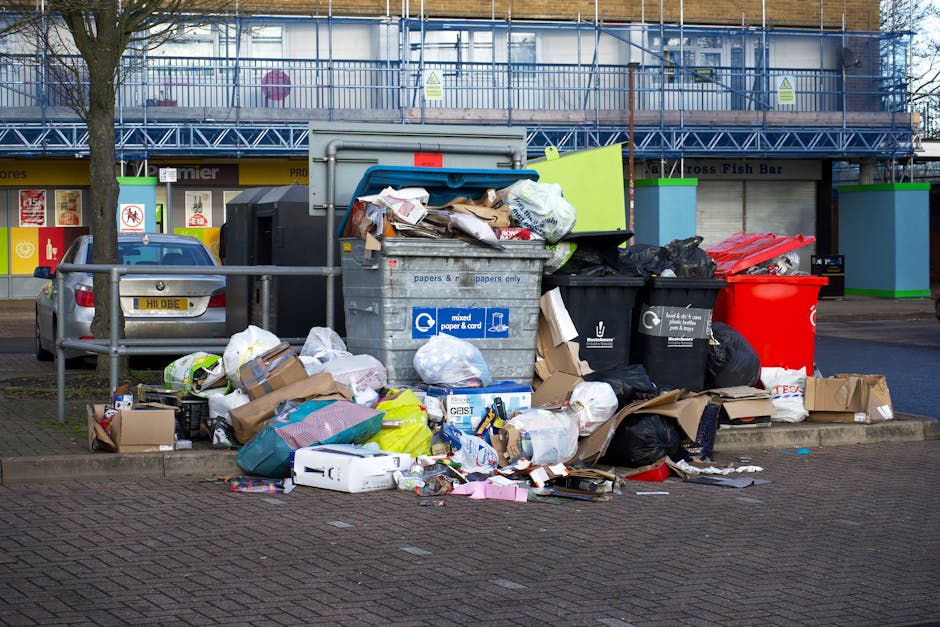
Common Mistakes to Avoid
Most disposal headaches in SW1 are preventable. The trouble is, they usually feel small right up until they are not.
- Leaving everything to the last minute. This is the classic one. It creates rushed decisions and poor sorting.
- Putting rubbish in shared areas too early. In prime properties, that can cause complaints quickly.
- Assuming all waste types are handled the same way. Builders' waste, furniture, garden waste, and general rubbish are not interchangeable.
- Forgetting access constraints. A job can be perfectly planned and still fail if the lift is too small or parking is impossible.
- Ignoring building rules. Some blocks have strict collection windows, noise expectations, or storage requirements.
- Not checking what is included. If you are comparing services, ask what happens with loading, sorting, and heavier items.
- Underestimating volume. People often think they have "a few bags" and then discover three rooms worth of stuff. Happens all the time.
One more mistake worth mentioning: not preparing for waste from events. If you have hosted a private gathering or building reception, the aftermath can be surprisingly varied. Think glass bottles, packaging, broken decorations, leftover catering waste, and a bin store that has suddenly had a busy evening. If that is your situation, the local context in popular Westminster party destinations can be oddly relevant, even if your event was a bit more understated than the article title suggests.
Tools, Resources and Recommendations
You do not need a huge kit to manage rubbish properly, but a few simple tools make the process easier.
- Heavy-duty bags: Better for mixed lightweight rubbish and safer lifting.
- Marker pens and labels: Useful for separating keep, recycle, donate, and dispose piles.
- Gloves: Essential for sharp packaging, dusty items, and unexpected grime.
- Trolley or sack truck: Helpful for bulky items, especially in longer hallways or service entrances.
- Measuring tape: Very handy when checking whether a wardrobe or sofa will make it through a doorway.
- Phone camera: Great for documenting item volume and sending clear job details in advance.
In our experience, the best "resource" is still a bit of organisation. But if you are comparing disposal options or trying to understand how wider services fit together, the services overview can help you see the broader picture without guessing.
If you are dealing with a more emotional clear-out, such as a family property or a long-unused flat, a structured service can also ease the burden. That is where a house clearance approach can be a practical relief, especially when there is simply too much to sort alone.
Law, Compliance, Standards, or Best Practice
Waste disposal in London is not only a practical issue; it also sits inside a wider framework of duty of care, safety, and responsible handling. You do not need to become a legal expert to get this right, but you do need to be careful about what is being removed and who is handling it.
As a general rule, best practice means:
- making sure waste is passed to a legitimate, responsible carrier
- separating items that can be recycled where possible
- keeping access routes safe for residents, staff, and the public
- avoiding fly-tipping or temporary dumping on pavements or in shared areas
- handling potentially hazardous materials with extra caution
If you are clearing a property that has trade waste, renovation debris, or items that may be heavy or awkward, safety matters as much as speed. A service provider should be able to explain how loading is handled and how risks are reduced. That is why it is sensible to review the insurance and safety information before booking, especially for larger or more complex jobs.
It is also sensible to read the basic terms of service so you understand responsibilities on both sides. The terms and conditions page and the payment and security details are worth a quick look if you want fewer surprises later. Not exciting, admittedly, but helpful.
Options, Methods, or Comparison Table
Different waste jobs in Mayfair and St James suit different methods. Here is a simple comparison to help you choose.
| Method | Best for | Pros | Watch-outs |
|---|---|---|---|
| Self-managing small bags | Minor household waste and a few light items | Low-cost, flexible, quick if access is easy | Can be time-consuming and awkward with limited storage |
| Bulky item collection | Sofas, desks, wardrobes, mattresses | Better for heavy or awkward pieces | Needs accurate item details and good access planning |
| Full house clearance | Moves, probate, downsizing, end-of-tenancy jobs | Handles large mixed volumes efficiently | Requires more planning and clear scope |
| Office clearance | Desks, chairs, IT equipment, archive clutter | Useful for commercial spaces and tight deadlines | May need access coordination and item separation |
| Builders' waste removal | Renovation debris and fit-out waste | Good for heavy mixed construction materials | Must be separated properly and handled safely |
For many people, the decision comes down to scale and time. If it is a bag or two, you may manage it yourself. If it is a sofa, two cabinets, and the remains of a renovation weekend, booking a dedicated collection is usually the saner choice. Saner, and kinder to your back.
Case Study or Real-World Example
Picture a small flat near the Mayfair edge of SW1. The resident has bought a replacement bed, ordered new wardrobes, and cleared out a storage cupboard that had quietly become a graveyard for broken lamps, packaging, and old paperwork. Nothing huge on its own, but together it is a surprisingly awkward amount of waste.
At first, the plan was to "just deal with it on the weekend." Then the delivery moved earlier, the lift booking changed, and the corridor became too tight to leave things in place. A classic central London moment, honestly.
The better approach was simple:
- separate furniture from bagged waste
- remove documents and valuables first
- take photos for a clear collection estimate
- book removal before the new furniture arrived
- keep the hallway clear for neighbours and building staff
The result was less stress, fewer awkward conversations, and a flat that looked ready rather than half-finished. Nothing dramatic. Just calmer. That is usually what good rubbish disposal feels like in SW1: not exciting, but quietly effective.
For a similar style of local residential guidance, you may also find the Pimlico Estate rubbish removal guide for residents useful, especially if you are dealing with a managed building or shared access arrangements.
Practical Checklist
Use this checklist before collection day.
- Have I listed all waste items, including small hidden pieces?
- Have I separated general rubbish, recyclables, bulky items, and specialist waste?
- Have I checked access, lift use, and parking or loading constraints?
- Have I removed valuables, paperwork, keys, and reusable items?
- Have I taken photos if the job is large or complicated?
- Have I informed building management or concierge if needed?
- Have I confirmed the collection method is suitable for the waste type?
- Have I made sure the route out of the property is safe and clear?
- Have I checked pricing, payment details, and any terms that matter to this job?
- Have I left the site tidy after the load is removed?
If you can tick most of those off, you are already ahead of the game. And yes, a lot of the stress disappears at that point.
Get a free quote today and see how much you can save.
Conclusion
Rubbish disposal in Mayfair and St James does not need to become a complicated project, but it does reward careful planning. The best approach is usually the quiet one: identify the waste properly, respect access and building rules, keep safety in mind, and choose the disposal method that actually fits the job.
For SW1, that means thinking beyond the bin bag. It means looking at how the property works, how much time you have, what kind of waste you are dealing with, and whether you need help with heavy, mixed, or bulky items. A little structure goes a long way. Quite a long way, in fact.
If you use the tips in this guide, you should be able to handle most clear-outs with less mess, less guesswork, and fewer last-minute panics. And that, in a district as polished and busy as this one, is a very good outcome.
Sometimes the smartest move is simply to clear the space properly and breathe for a moment. That first quiet room afterwards? Always worth it.

 Tipper Van - Rubbish Removal and Waste Disposal Prices in Westminster, SW1
 Luton Van - Rubbish Removal and Waste Disposal Prices in Westminster, SW1


